Designing a Calmer Life: Practical Steps for Travel, Home, and Wellbeing
A practical guide to cultivating calm living through intentional design, travel routines, and mindful wellbeing in daily life.
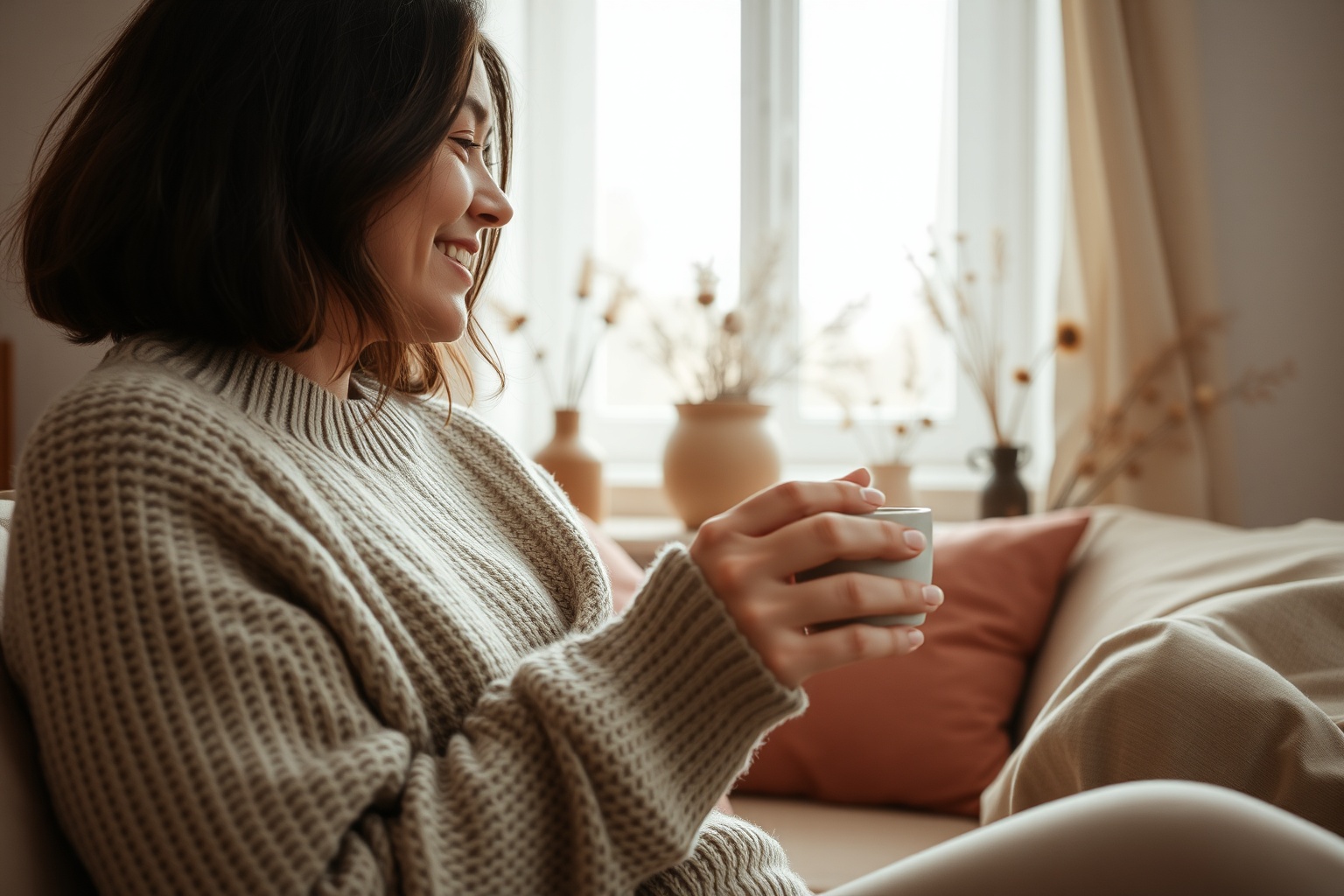
Foundations of a Calm Living Mindset
Creating a calmer daily rhythm starts with small, deliberate choices that reinforce balance. Begin by auditing your week: note when stress spikes and identify moments you can reclaim with simple rituals, like a 10-minute grounding breath before meals or a short walk after meetings. Align these micro-habits with a broader intention toward wellbeing and serene living, so your daily actions echo a calmer, more focused mindset. Motivational content that supports growth can anchor this shift, such as resources from Motivational Content Platform | Personal Development Courses | Coaching & Accountability, which offers practical frameworks for staying accountable to your goals.
To translate this mindset into everyday life, map out your spaces to reduce friction and invite calm. Start with a simple declutter: three minutes to put items back in their designated places can lessen visual noise. Pair that with a routine that prioritizes sleep, hydration, and sun exposure. When design decisions honor your well-being, travel experiences and home life synergize, supporting a lifestyle that feels purposeful rather than frenetic.
Travel as a Tool for Stability and Discovery
Travel can be a powerful agent for wellbeing when approached with intention. Plan trips that emphasize slow exploration over rapid checking of landmarks, allowing time for unhurried strolls, local cafes, and conversations with residents. Curate a packing list that reflects calm living: a comfortable pair of shoes, a reusable bottle, a light jacket, and a journal to capture impressions. Such preparation reduces stress, so you can savor each moment rather than chase outcomes or status.
As you travel, cultivate routines that anchor you in new places. Morning stretches in a sunlit hotel room, a quiet moment with a map to decide the day’s path, and a deliberate cadence to meals can recreate a sense of home abroad. When you bring a mindful rhythm to travel, you maintain wellbeing while expanding your design sensibilities—notice how streets, architecture, and neighborhoods influence mood and choices, enriching your lifestyle with texture and balance.
Home Design as a Canvas for Calm
Design your living spaces to calm the nervous system by focusing on color, texture, and flow. Choose a restrained palette with warm neutrals, soft textiles, and natural materials that invite touch and lingering. Create zones that support different states: a work corner with tidy storage, a reading nook with cushioned seating, and a low-traffic area for restorative activities. The result is a home that mirrors calm living, where every element has a purpose aligned with wellbeing.
Incorporate plants, gentle light, and sound-quieting strategies to further reduce sensory overwhelm. Subtle changes—adjusting window coverings to diffuse glare, layering light sources for flexibility, or choosing furniture with ergonomic support—can dramatically alter mood. When your home design prioritizes comfort and function, you’ll experience steadier energy through the day and a more inviting space to host friends and family.
Wellbeing as a Daily Practice
Wellbeing thrives on consistent, evidence-based routines that nourish body and mind. Establish a morning ritual that blends movement, nutrition, and reflection, such as a 15-minute mobility sequence, a protein-rich breakfast, and a brief journaling session. Track your mood and energy levels to identify patterns and adjust your routine accordingly. This empirical approach to wellbeing helps you stay aligned with your goals, turning aspirations into sustainable progress rather than temporary motivation.
Beyond physical health, cultivate emotional resilience through mindfulness practices and social connection. Schedule regular check-ins with a trusted friend or mentor, and use travel or design projects as opportunities to practice gratitude and curiosity. By treating wellbeing as an integrated practice—spanning mind, body, and relationships—you build a lifestyle that supports calm, confidence, and continued growth.
Designing a Calm Morning Routine
Your morning sets the tone for the day, so build a routine that feels restorative rather than rushed. Begin with a window of quiet time: 5–10 minutes of breathwork or meditation, followed by a gentle stretch and a glass of water. Pair this with a simple, nourishing breakfast and a quick planning session to map top priorities. A calm start reduces decision fatigue and helps you approach tasks with intention and clarity.
As you refine your routine, integrate elements that travel well into your day. A compact notebook or digital app for reflection, a favorite mug for comfort, and a small, tidy workspace can anchor your morning wherever you are. Consistency matters more than grandeur; small, repeatable actions create a dependable rhythm that supports wellbeing and an elevated lifestyle.
Mindful Consumption and Everyday Luxury
A mindful approach to consumption centers on quality, relevance, and longevity. Evaluate purchases through the lens of how they will enhance daily life and contribute to calmer living. Prioritize durable items, ethically sourced materials, and objects that spark joy without cluttering your space. Curating thoughtfully reduces waste and enhances satisfaction with what you already own.
Incorporate small luxuries that elevate ordinary moments without overburdening your budget. A scented candle for evenings, a high-quality tea, or a comfortable throw can transform mood and atmosphere. When lifestyle choices reflect intention—whether at home or while traveling—you’re more likely to experience consistent wellbeing, simpler design decisions, and a sense of calm that persists beyond the purchase.
Integrating Travel, Home, and Community
Community enriches wellbeing by offering connection, accountability, and shared experiences. Build a circle of friends or neighbors who share interests in travel, design, or wellness, and coordinate low-pressure meetups like neighborhood walks, book exchanges, or skill-sharing sessions. These interactions reinforce calm living by providing support, reducing loneliness, and encouraging reflective practice as you explore new environments together.
Use travel as a bridge to community by sharing discoveries and inviting others to join in slow exploring. Curate local itineraries that spotlight regional crafts, green spaces, and small businesses, then document your findings in a journal or blog for future planning and inspiration. When travel and home are anchored in community, wellbeing becomes a shared rhythm that deepens meaning and enriches daily life.
Texture and Practical Add-Ons
- Seasonal planning calendar to map trips, home projects, and wellness goals
- Mini-language or etiquette guide for destinations to reduce stress and boost confidence
- Evergreen design tweaks that adapt to changing needs and seasons