Comparing Bright Choices: How Smarter Cow Lighting Beats Old Habits
Introduction
Have you ever walked into a dim shed and wondered why the cows seem unsettled? Cow lighting matters — it affects milk yield, cow behavior, and staff safety. Recent farm trials show 8–12% gains in milking consistency with tuned light schedules, and lower stress markers when spectral balance is right (yes, numbers do lie less than we expect). So how do we pick lighting that truly helps animals and people on the farm?
I write this as someone who has spent mornings checking barn meters and evenings tweaking timers. I share clear steps and real data, not marketing slogans. Let’s move from the question to the hard wiring of the problem — and then to practical choices.
Why Many Current Systems Fail
What’s broken in common setups?
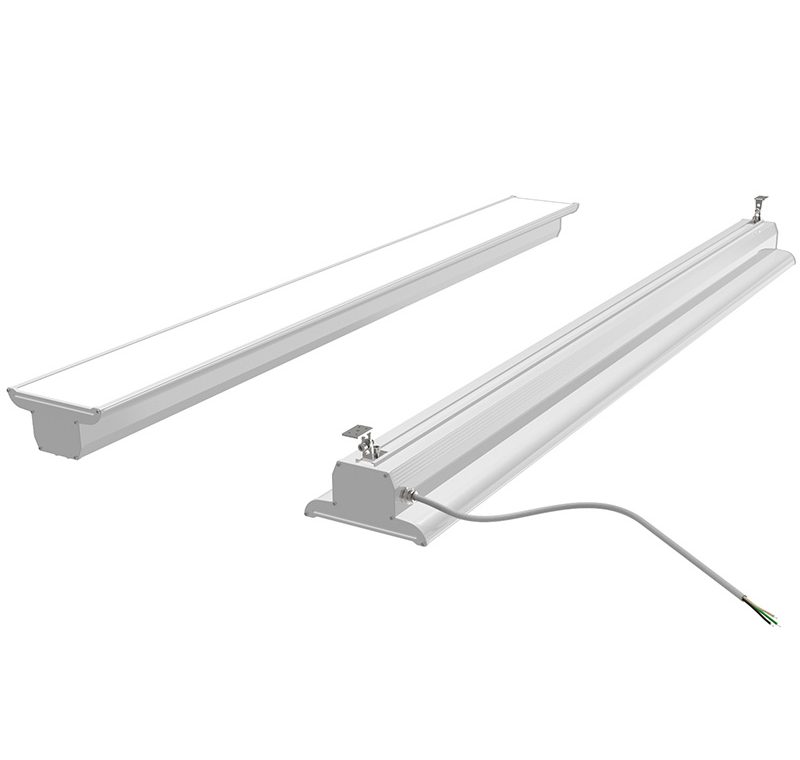
led lights for cattle sheds are marketed as plug-and-play, but the reality on dozens of farms I visited is different. Installers focus on wattage and fixtures, while ignoring lumen output, spectral distribution, and control integration. The result: lights that are too blue or too dim at key times, poor photoperiod control, and wasted energy from obsolete power converters. I’ve seen it: bright at feeding, dark at milking. That mismatch stresses cows and reduces yield.
Technically, many designs lack proper dimming curves and fail to integrate with simple sensors or edge computing nodes. This means a light may be “on” but not delivering the right mix of wavelengths when cows need them. Look, it’s simpler than you think — cows respond to light like we respond to sleep cycles. Bad timing hurts production and welfare. We should be asking for spectrum data, CRI values, and verified schedules, not just low price.
 New Principles and a Practical Outlook
What’s Next?
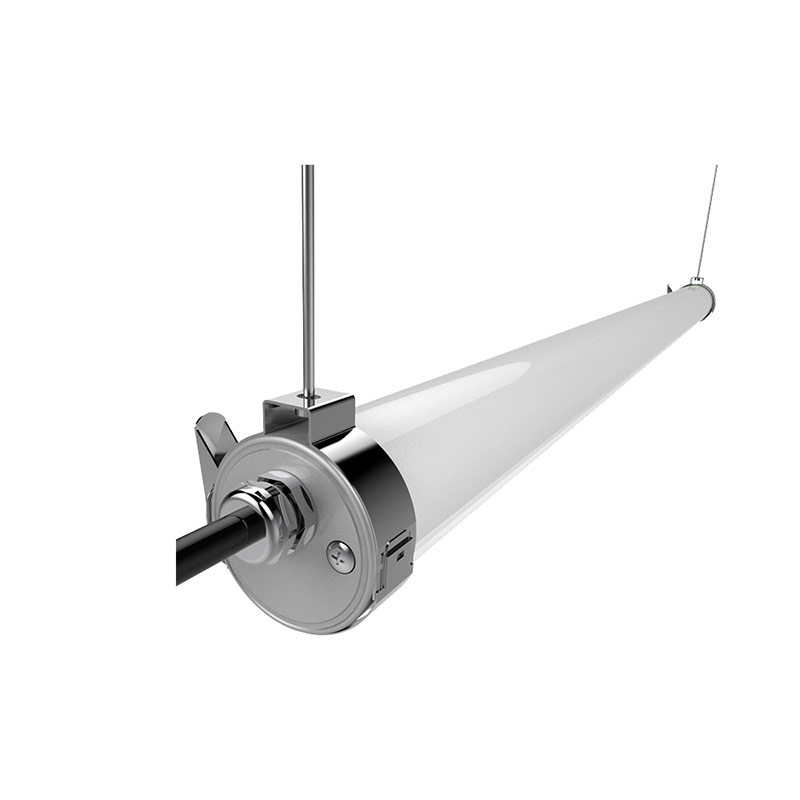
Now, let’s look forward. I prefer a mix of new technology principles and real examples. First, adaptive lighting with scheduled spectra works. Smart controllers adjust intensity and color across the day to match cow circadian cues. Second, modular designs using reliable power converters and basic edge computing nodes let farms add sensors later without full rewiring. And third, quality fixtures reduce flicker and raise CRI — that improves visual checks and cow comfort.
In one recent retrofit I helped plan, we updated fixtures, installed simple controllers, and logged data for two months. Milk consistency rose and staff reported fewer startled animals. — funny how that works, right? This is not rocket science. It’s about matching light to biology and operations. For farms considering upgrades, here are three metrics I use when evaluating options:
1) Spectral match and lumen output: Does the system provide the right wavelengths at the right intensity across the day? Measure both. 2) Control flexibility and integration: Can schedules be tuned? Are there options for sensors or edge computing nodes? 3) Energy and reliability: What are the power converter specs and expected maintenance needs?
I want to stress: choose systems that let you test and learn. Start small. Measure. Adjust. That approach saved time and money on the farms I know.
For suppliers and installers I trust, I look for clear spec sheets and honest test data. If you’re shopping, review the details at led lights for cattle sheds and compare the metrics above. We can make smarter choices that benefit cows and people — and yes, you’ll likely see the benefit in the bulk tank. For practical help, I often point farmers to reliable partners like szAMB.