A Practical Guide to Choosing a Red Light Therapy Manufacturer with a User-First Lens
Introduction — a quick scene, some numbers, and a question
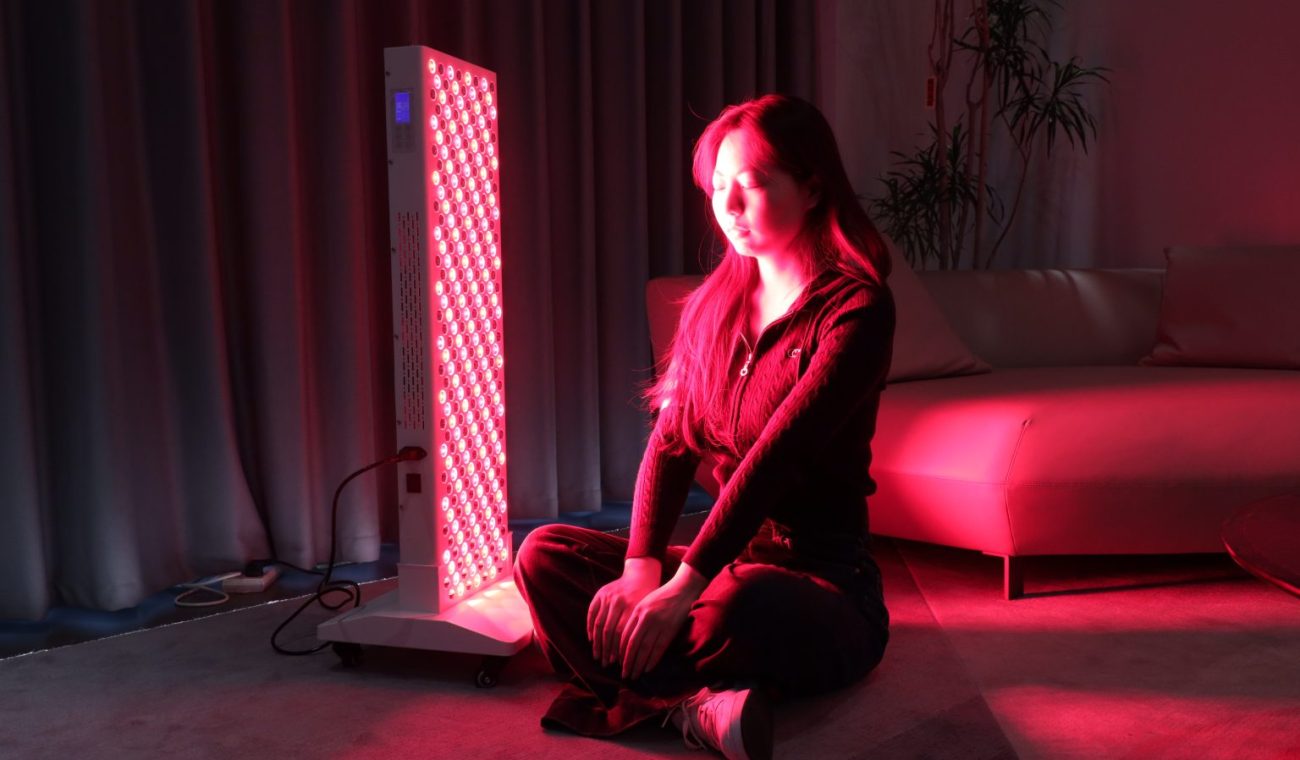
I was in a small clinic in Hanoi last month watching a therapist tune a panel while telling me about patients who keep coming back for relief. The clinic had a single problem: the device’s beam was uneven and warm spots worried both staff and clients. As someone who’s worked around makers and designers, I ask this often: how do you pick a red light therapy manufacturer when the promises and specs sound the same? In Vietnam, we like things that work and the data matters: studies show consistent irradiance improves outcomes by up to 30% in some trials (small but clear). So where do you begin—cost, specs, or trust? I want to walk you through it in plain terms, share what I’ve seen, and help you make a better choice. Let’s move into the real pain points next and not stay stuck on glossy brochures.
Hidden user pain points: what vendors rarely tell you
When I audit a setup I often start with a simple check: is the unit delivering uniform light across the pad? Many manufacturers skip that real test. For clinics and spas the practical trouble shows up as uneven treatment times, different skin reactions across the surface, and wasted sessions. If you look into a red light therapy bed manufacture catalog, the specs list wavelengths and power, but they rarely explain thermal management or how LED arrays are arranged. That’s a gap. I’ve seen cheap rigs use clustered LEDs without proper heat sinks. Result: hotspots, shorter lamp life, and clients who ask for refunds—look, it’s simpler than you think.
Why does this happen?
Three main reasons: poor layout of LED arrays, weak power converters that flutter under load, and thin metal plates that can’t carry heat away. Those are industry terms you’ll want to test for. I usually tell buyers to ask for thermal imaging logs and irradiance maps. If the manufacturer hesitates, that’s a warning. Also—funny how that works, right?—sometimes the user manual glosses over setup and maintenance. That hidden friction costs time and trust. We must demand clarity on thermal management and measured output, not just marketing words.
Future outlook: new principles and practical checks
What’s next for buyers? I think the smart move is to favor manufacturers who adopt precise measurement and modular design. A few makers now publish irradiance curves across panels and show how wavelengths are balanced for therapy goals. When a red light therapy bed manufacture provides real-world data, I feel more confident recommending them. We should prefer products with replaceable LED modules, clear photobiomodulation specs, and tested thermal management. These choices reduce downtime and make repairs simple—so clinics save money over time.
Real-world checks before you buy
Here are three quick metrics I use and recommend: 1) Measured irradiance at typical treatment distance. 2) Thermal rise after 30 minutes of continuous use. 3) Serviceability — can you replace an LED board without shipping the whole bed? Ask for lab logs and warranties. I also want you to remember user training—good devices fail less when people know how to use them. In short: test the data, check the design, and demand service transparency. These are practical, not flashy. They help you avoid wasted sessions and unhappy clients—true story.
 Closing advice and next steps
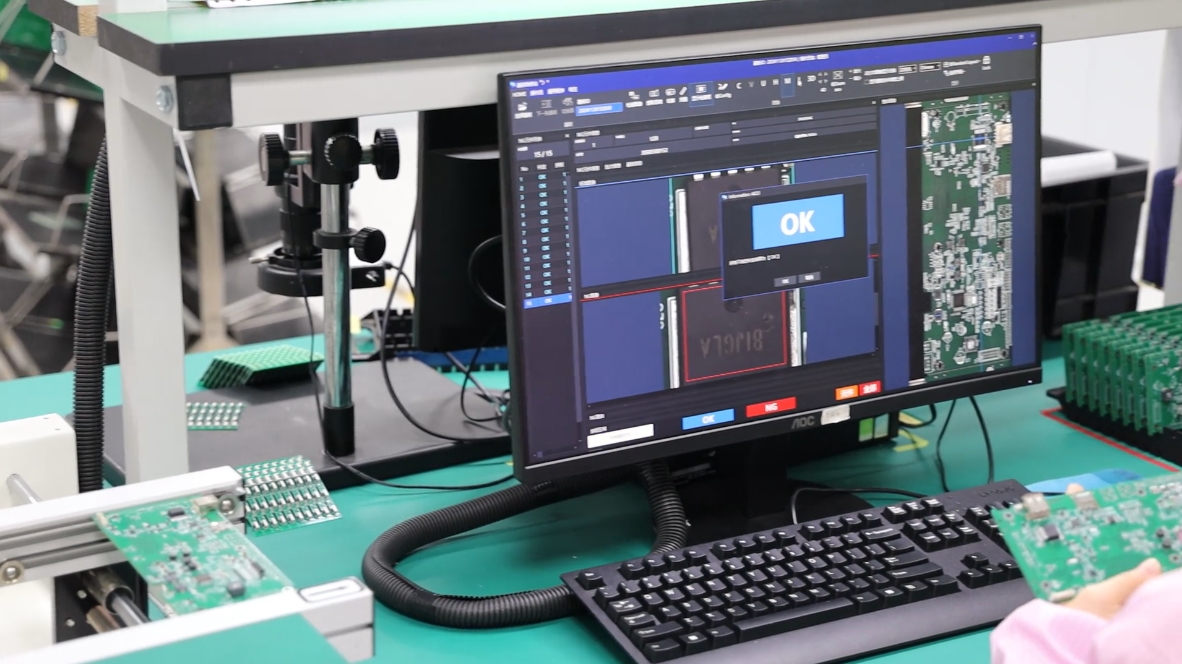
I’ll leave you with three evaluation metrics to compare suppliers: consistent irradiance (measured maps), effective thermal management (thermal logs and heat-sink design), and modular serviceability (replaceable LED arrays and clear spare-part plans). Use those as your shortlist filters. I’ve lost count of companies that look great on paper but fall short on these basics. If you want a vendor that shows real test data and stands behind repairs, you’ll save money and build trust with your clients. I’ve learned to shop this way—and it works. For reliable partners, check the company pages and test reports from trusted sources. And if you need a starting place, consider reaching out to Magique Power for their technical specs and service options.