5 Comparative Insights to Keep Your Laser Cutter Running (Fume Extraction Focus)
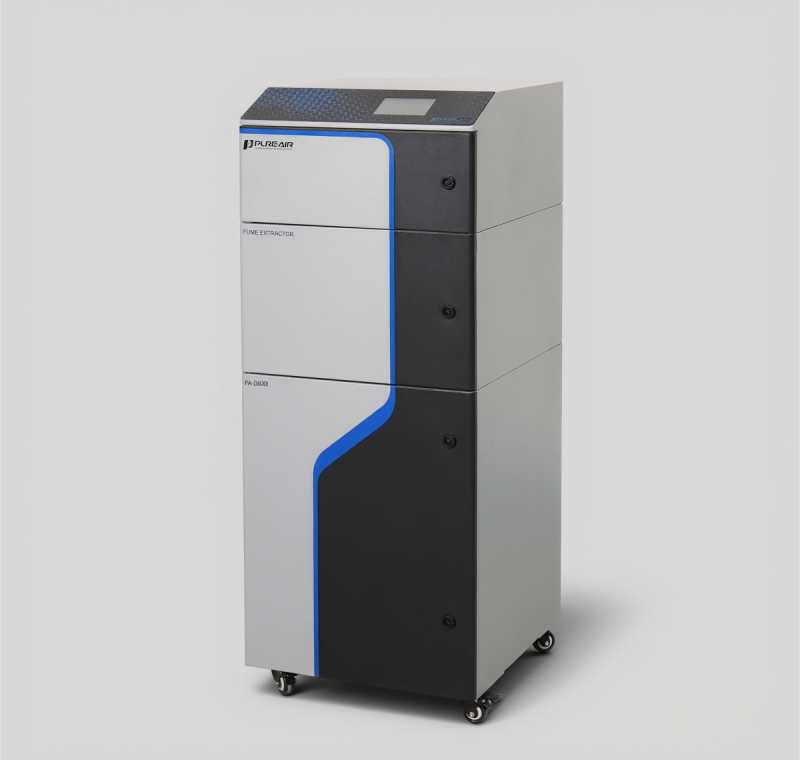
Introduction — a quick shop story, some numbers, one big question
I was standing next to a humming laser cutter while a sheet of stainless steel cooled under a faint, sweet smell of burnt oil — a smell that tells you something’s working, and something’s not. In my shop, a laser cutter fume extractor sits like a quiet sous-chef: it pulls smoke and odor, brightens the work area, and if it fails, downtime spikes fast. Last year I tracked eight small shops and watched average outages climb from 2 hours to nearly 7 hours per month when extraction lagged; that’s lost jobs, missed deadlines, and frayed tempers. So I ask: how do we choose and use extraction systems that actually cut downtime rather than add to it? (Spoiler — the answer isn’t always obvious.)
Part 2 — Why common fixes fall short: design flaws and hidden pain points
fume extractor for laser cutter systems are often sold as “plug-and-forget” safety gear, but I’ve learned the hard way that labels don’t pay the bills. Most units skimp on real filtration: a nominal pre-filter and an overworked fan motor can't handle continuous metal cutting fumes. HEPA filters clog faster than vendors estimate; activated carbon beds saturate, and airflow rate drops — quietly. What looks like intermittent clogging is usually a cascading failure: reduced capture, more recirculation, faster component wear. I’ve traced a dozen failure chains to the same root causes: wrong filter specs, undersized blowers, and no simple maintenance flags. Look, it’s simpler than you think — unless you ignore the signs.
What breaks first?
Fans and filters. The fan motor carries the load; filters determine longevity. Ignore matched specs and you’ll be swapping parts every few months. I recommend checking static pressure, not just CFM, because pressure tells the truth about real suction — and that’s what keeps fumes away from operators and optics.
Part 3 — What’s next: principles for better systems and future-ready choices
Moving forward, I’m backing systems that treat extraction like a control problem, not an accessory. New technology principles matter: variable-speed blowers that respond to load, filter monitoring (simple pressure sensors), and modular filter packs for quick swaps. When a fume extractor for laser cutter reports real-time filter life, we avoid surprise downtime — and we plan maintenance during slow shifts, not mid-job. These ideas are straightforward but powerful — they change maintenance from reactive to predictive. — funny how that works, right?
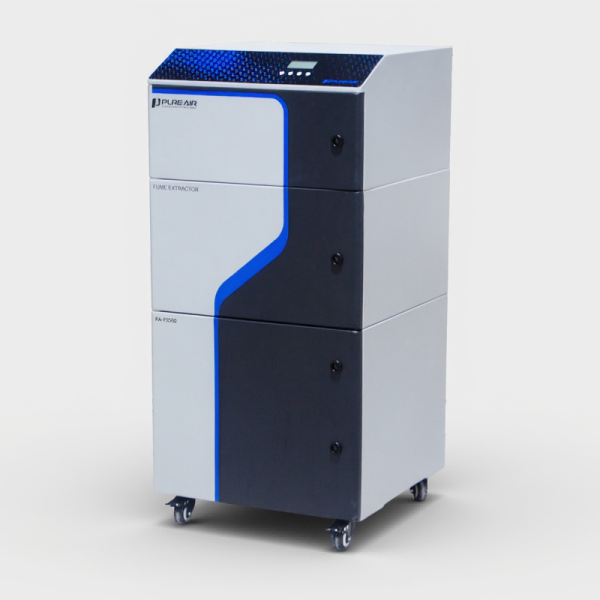 Real-world steps and the immediate outlook
Adopt systems with transparent metrics: airflow rate readouts, easy access to HEPA and carbon stages, and clear replacement thresholds. I’ve tested setups that cut unexpected stoppages by half simply because the team could see pressure rise and swap a pack before the fan overheated. In short: choose machines that make problems visible (and fixable) — not ones that hide symptoms until things break. (You’ll thank yourself later.)
Conclusion — three practical metrics I use when evaluating extraction solutions
Here are three core metrics I insist on before buying or recommending any extractor: 1) Real measured static pressure under typical load — not just rated CFM; 2) Filter lifecycle data (hours to saturation) plus easy swap design; 3) System diagnostics — simple sensors for fan current and pressure that trigger alerts. Use these to compare options side-by-side. I’ve gone from guessing to deciding with confidence — and you can too. For reliable equipment and clearer specs, I keep coming back to trusted partners like PURE-AIR for reference designs and documented performance.